Manno di Toano: a village that has already found a new lease of life
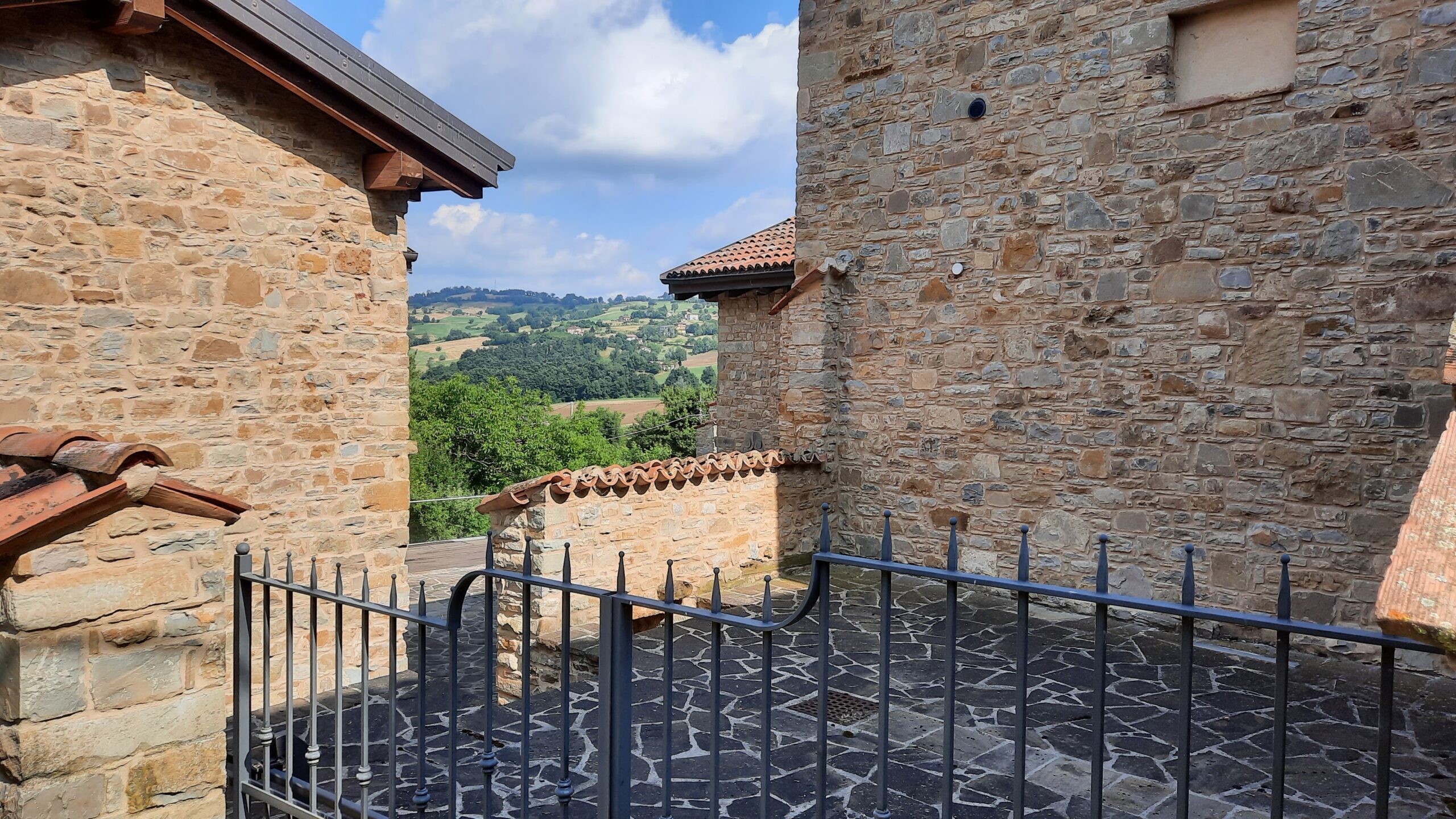
Manno di Toano is a small village in the municipality of Toano, in the province of Reggio Emilia. It lies among the woodlands and ridges of the Reggio Emilia Apennines, just a few kilometres from the main town of Toano.
This is still an authentic area, far from mass tourism yet within reasonable travelling distance of the cities of the Emilia plain and their services, airports and transport links. The municipality of Toano has approximately 4,200 inhabitants and provides the essential services of a well-established Apennine community. The surrounding area also offers a wealth of historical and nature trails.
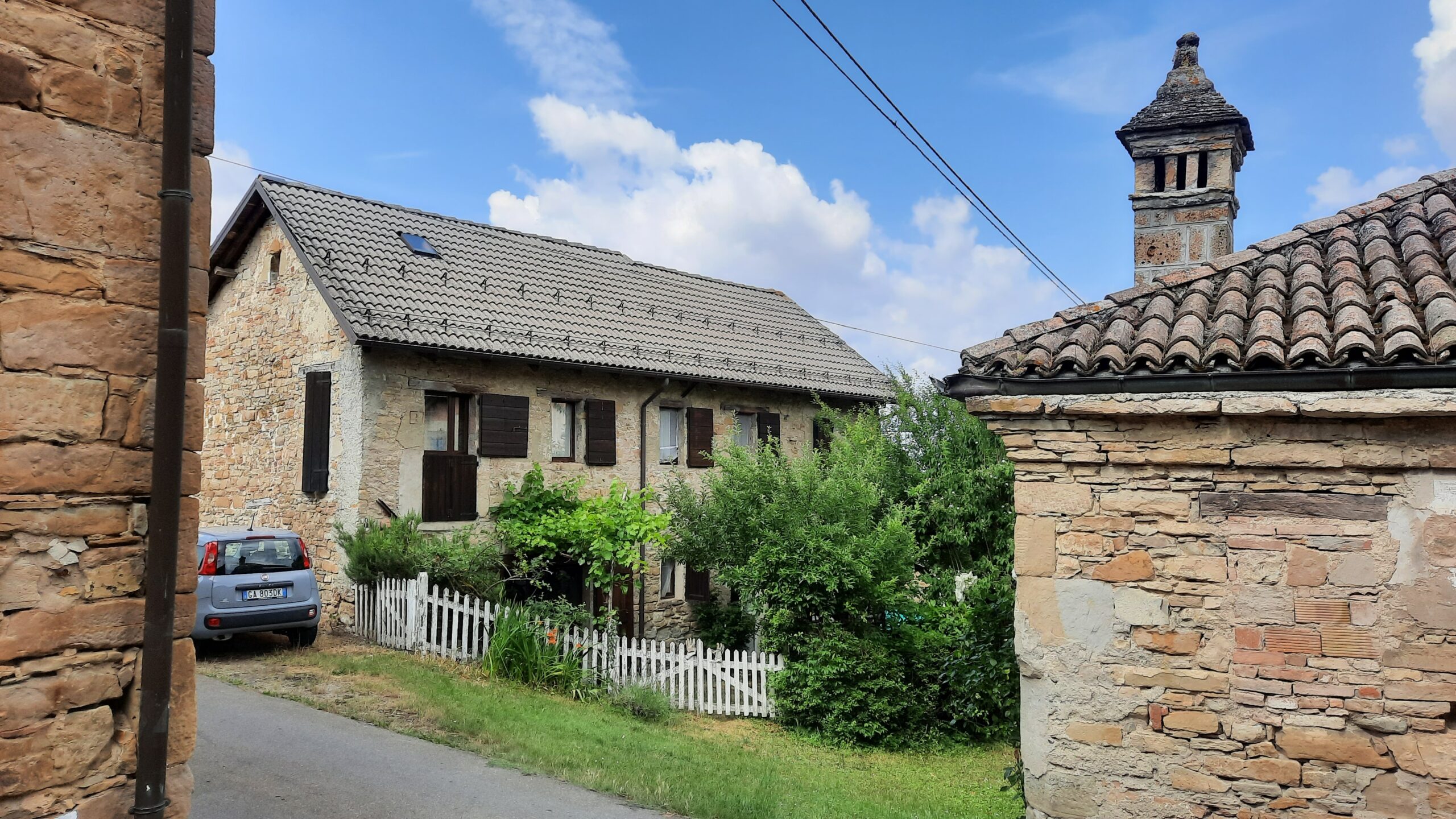
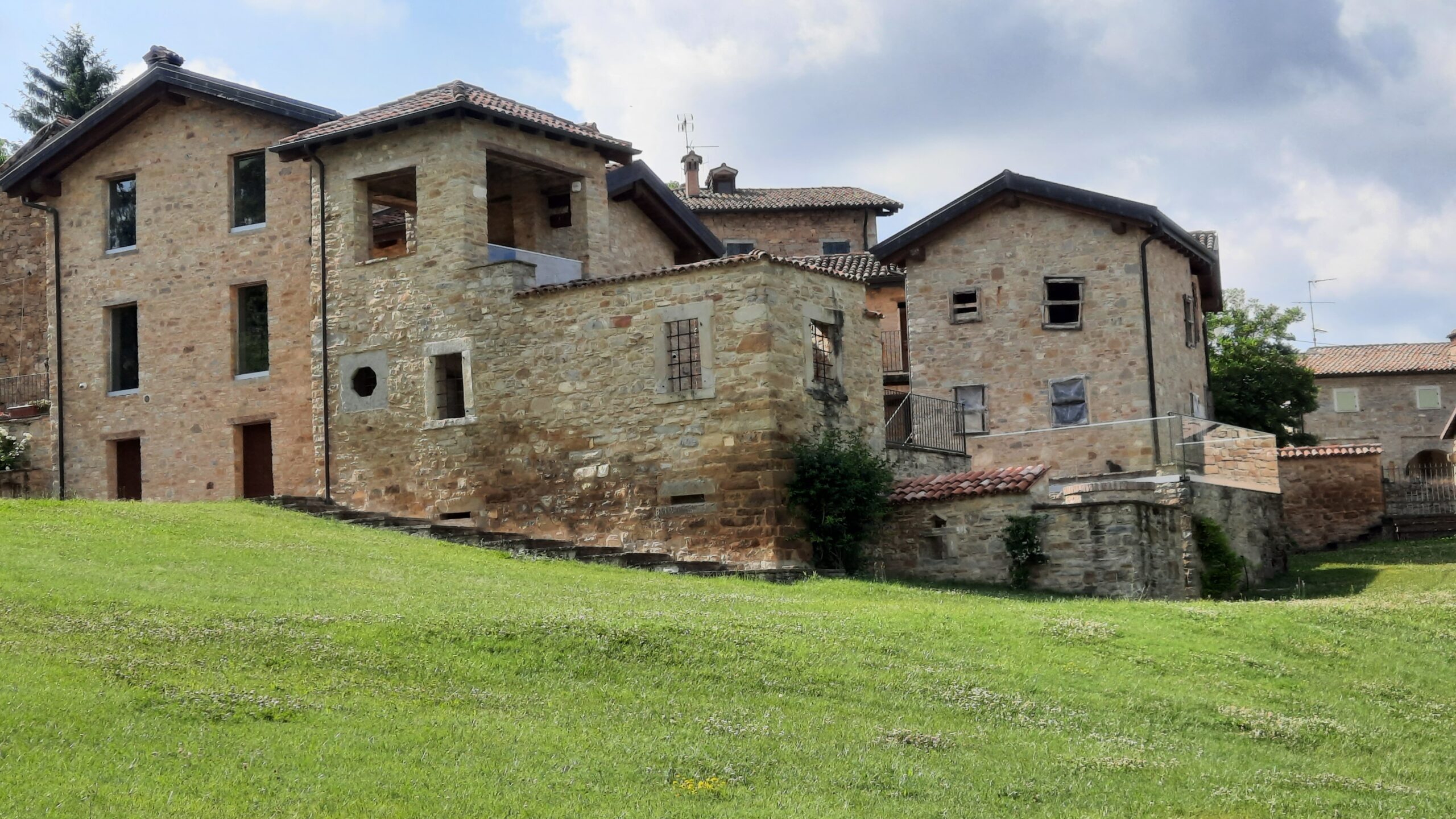
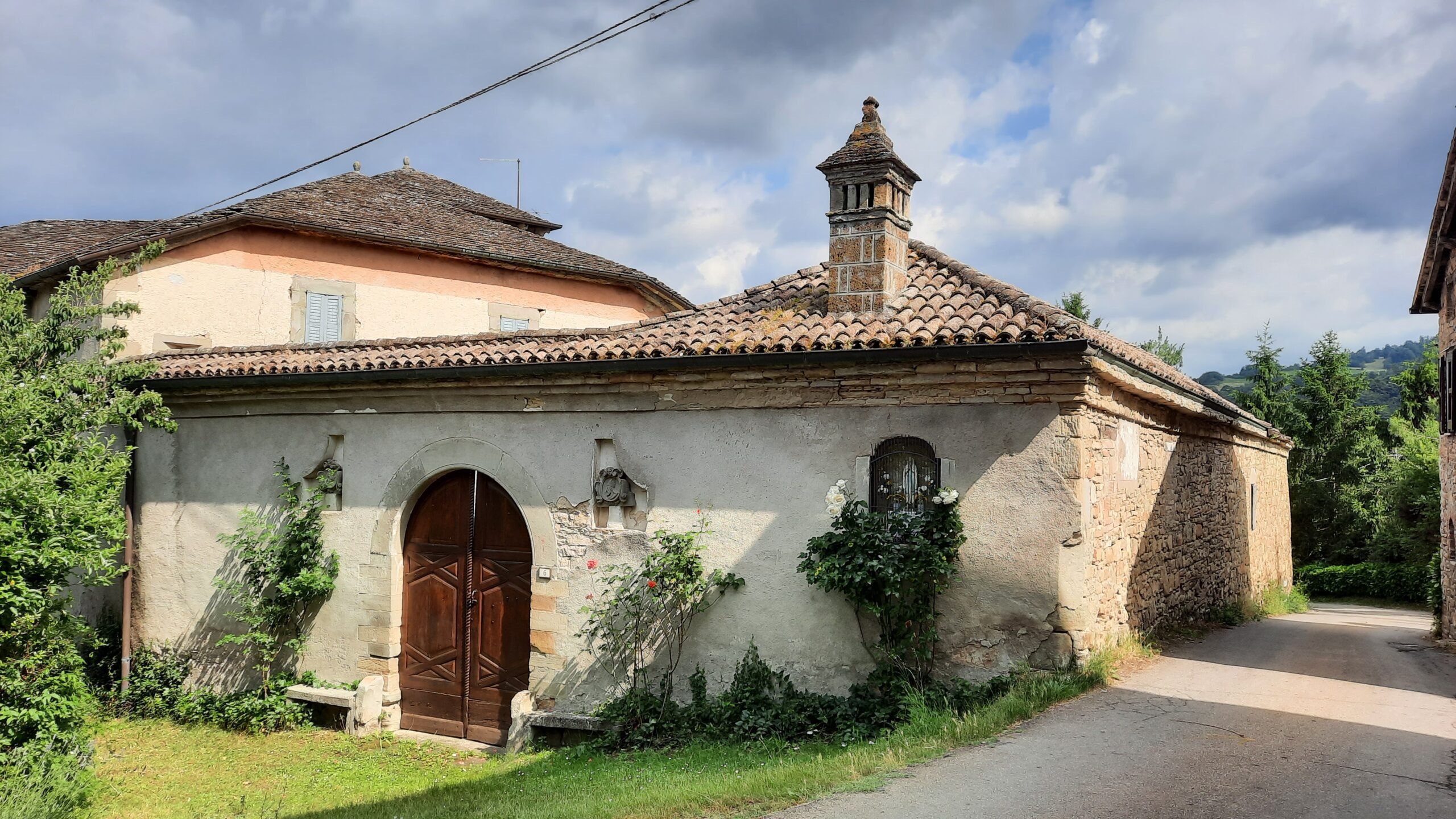
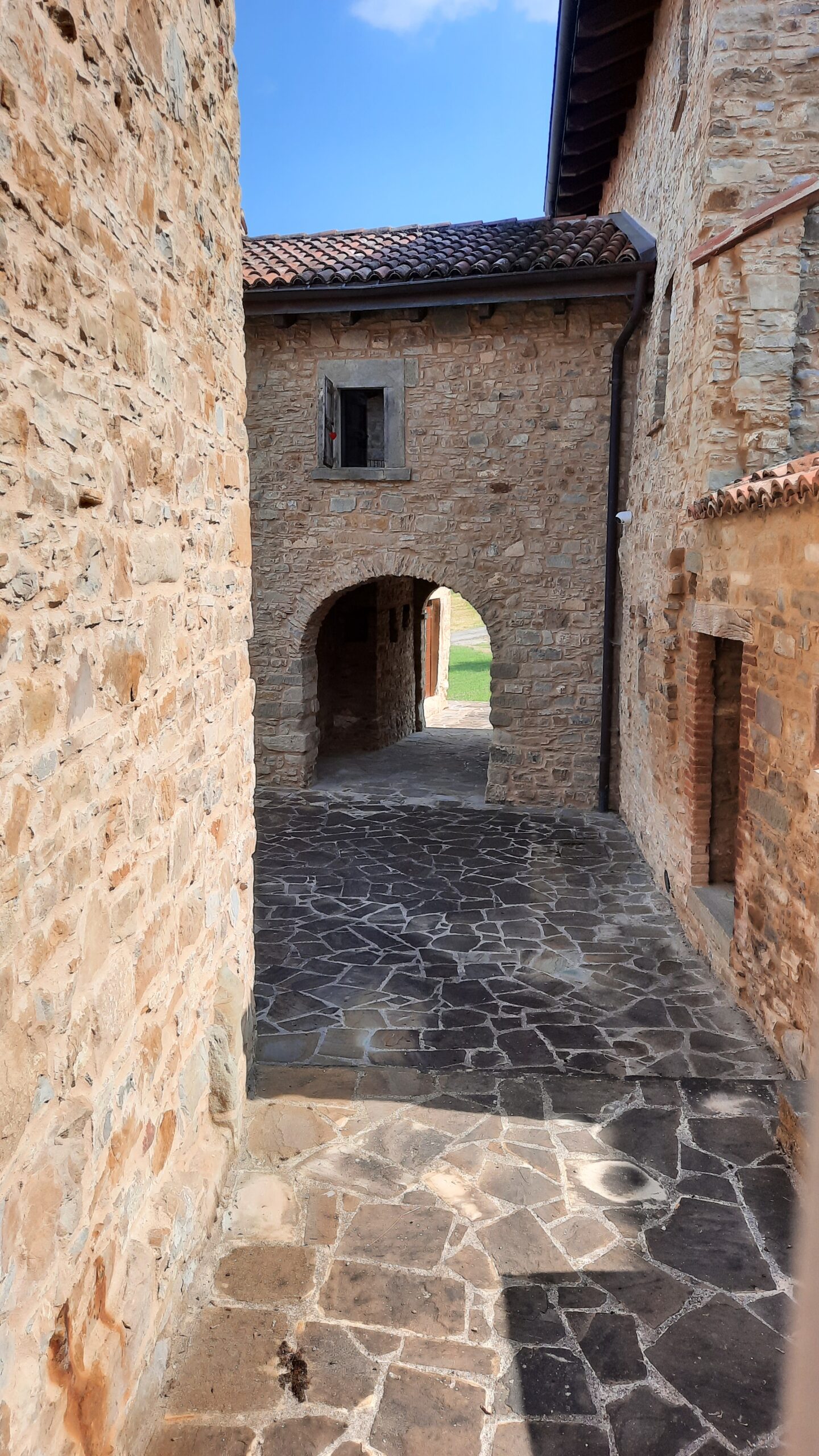
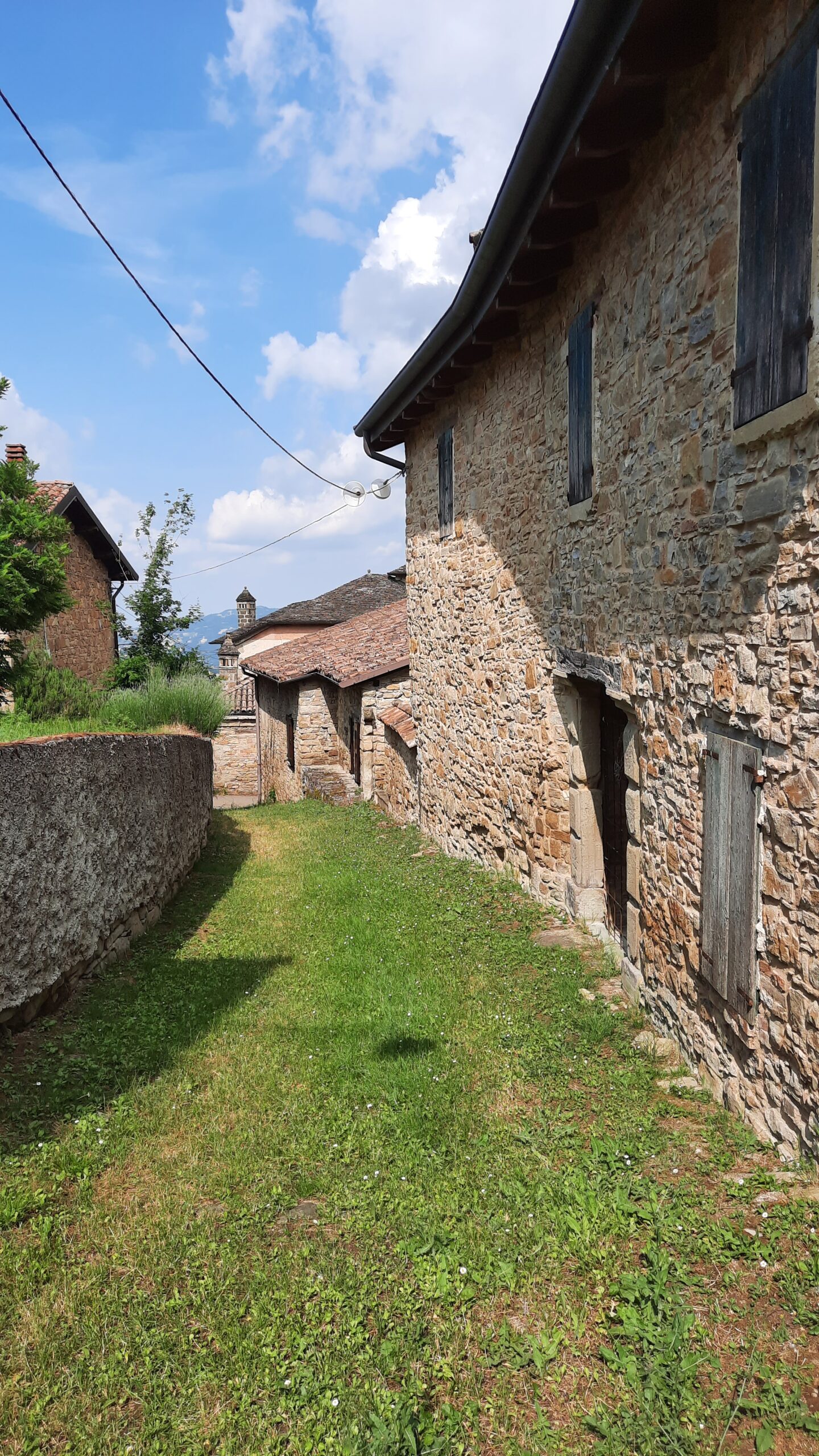
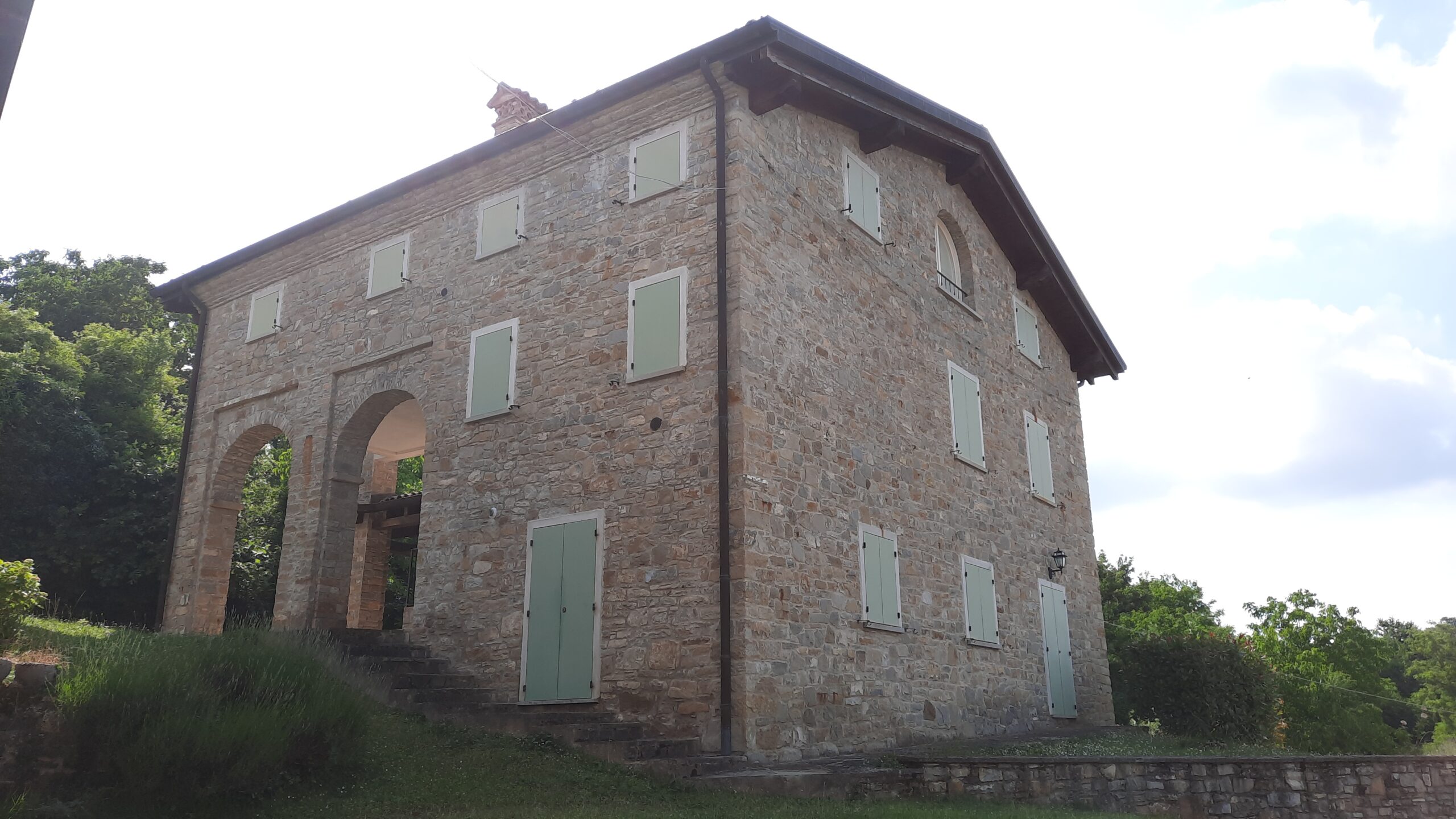
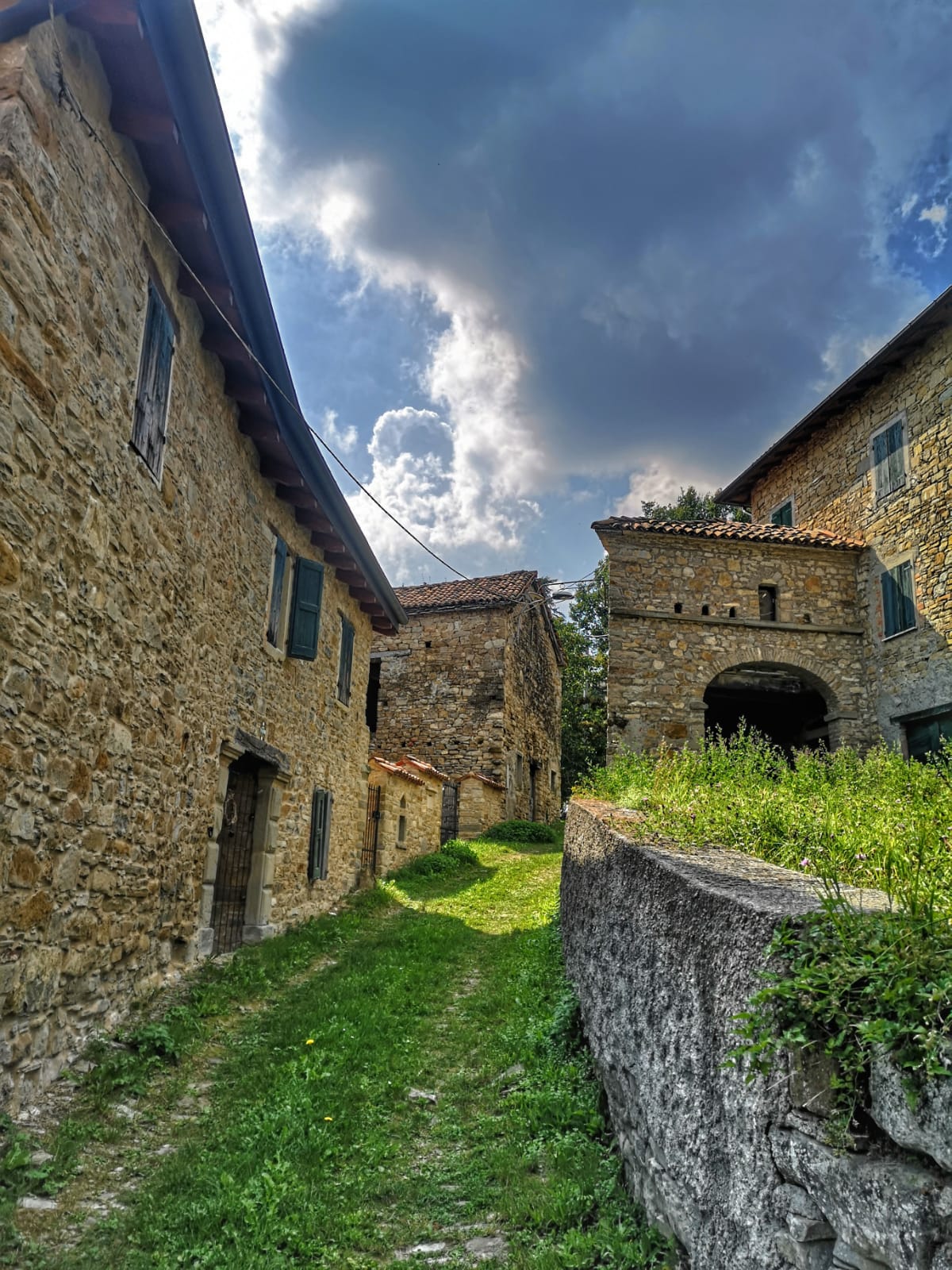
In recent years, many of the village’s homes have been restored, bringing new life and a renewed sense of care to the community while preserving the charm of its original rural architecture.
Walking through the lanes of Manno means discovering stone, timber and traditional Apennine buildings that have been skilfully restored. The village demonstrates how places such as this can be brought back to life without losing their identity. The village’s origins have been documented since the Middle Ages. Manno was mentioned as early as 1218 in an oath of allegiance to the Municipality of Reggio Emilia. Its arched stone doorways, sculptural details and historic architecture still bear witness to this centuries-old history.
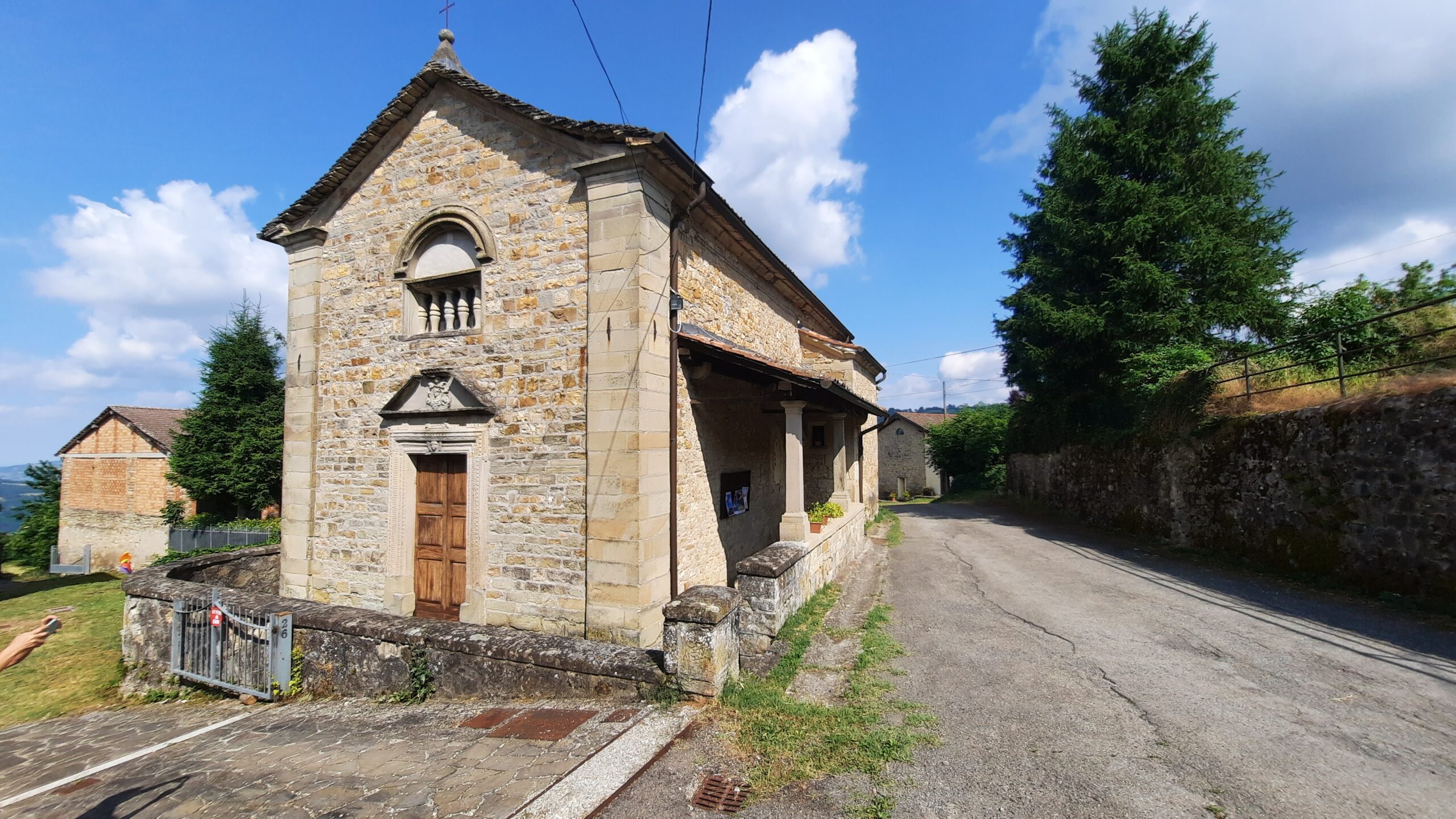
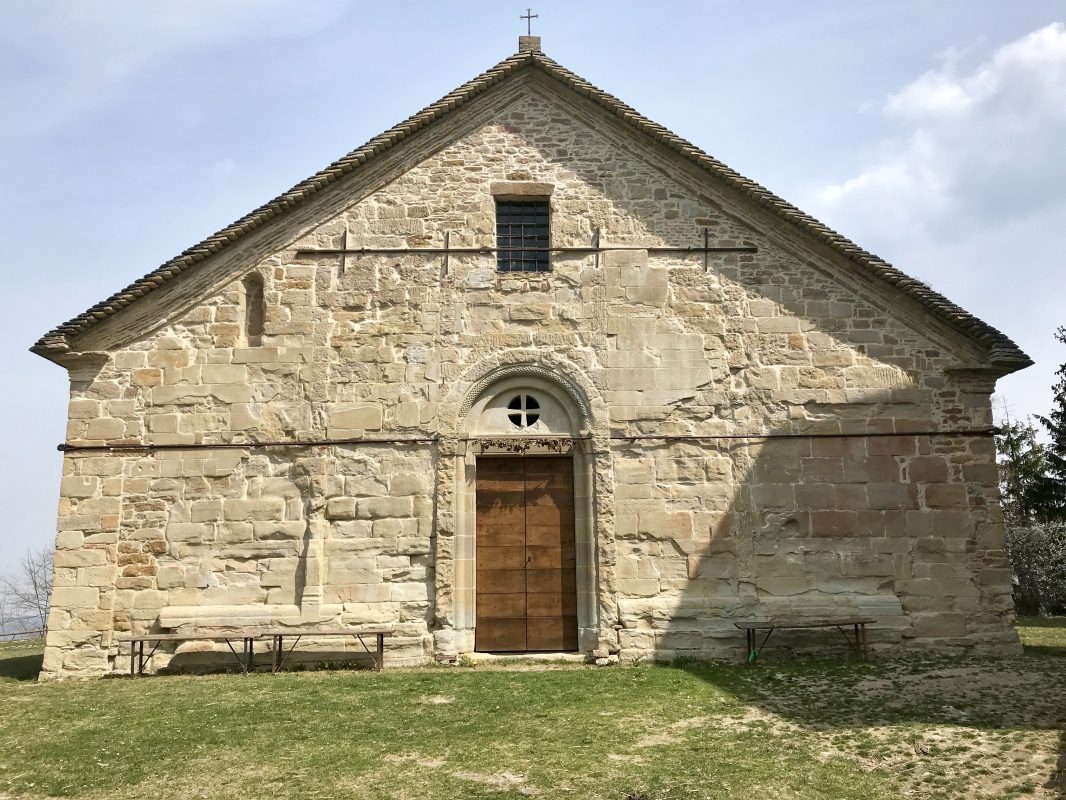
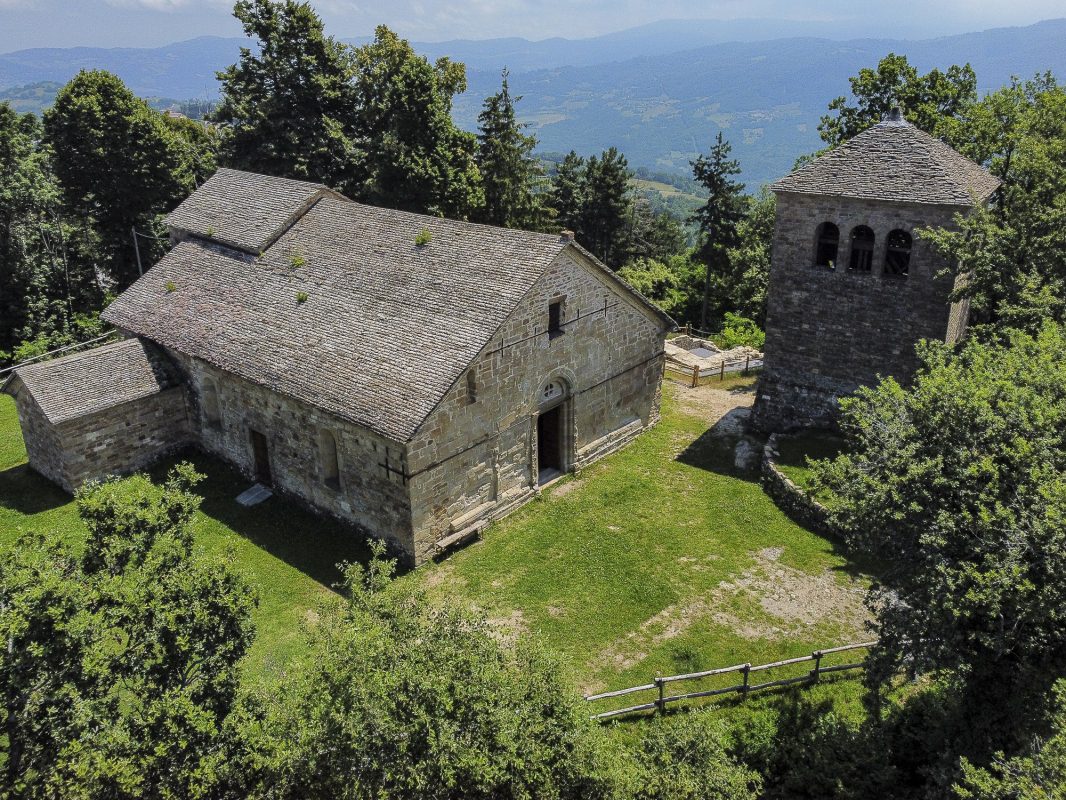
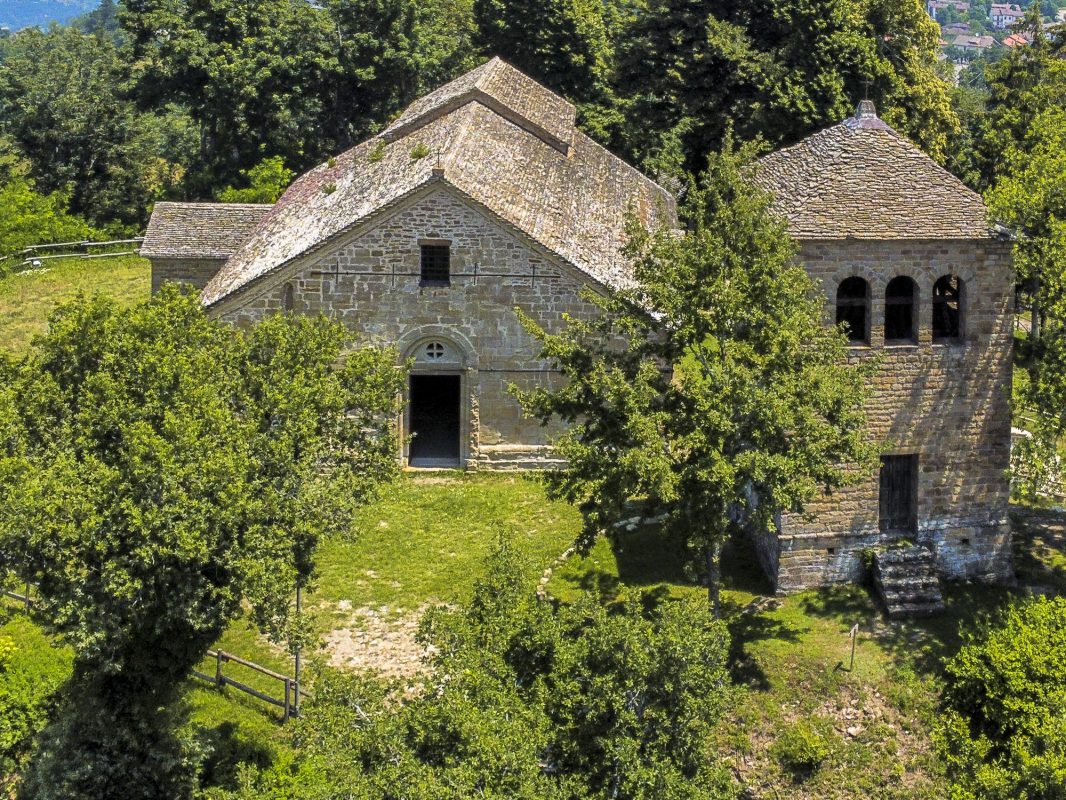
Parish Church of Santa Maria Assunta
Also known as the Parish Church of Santa Maria in Castello, it is one of the most important historical and religious monuments in the whole of Emilia-Romagna.
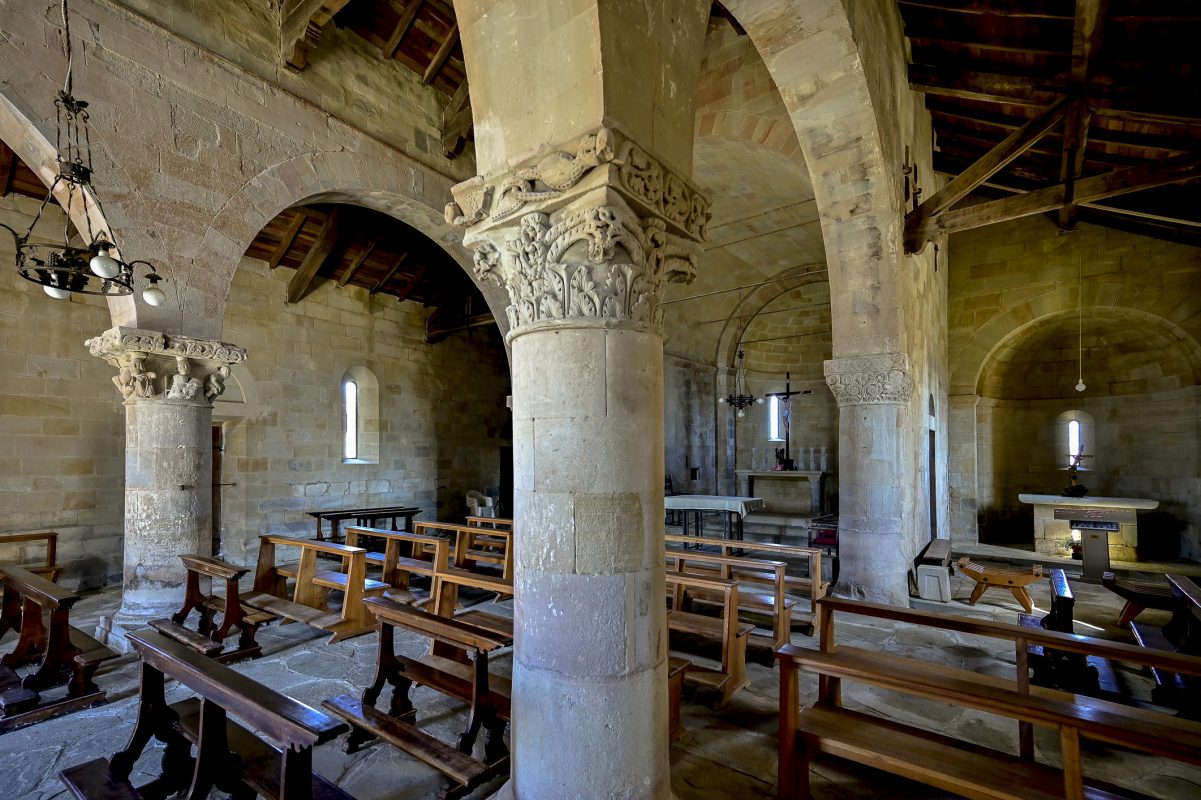
With its simple three-nave structure, it is regarded as a perfect example of Romanesque architecture dating from the period of Matilda of Canossa. Its thousand-year history is well documented: the church was first officially mentioned in a charter issued by Emperor Otto II on 14 October 980.
In 1944, retreating German troops set fire to the church, destroying its roof and original furnishings, which were subsequently rebuilt after the war.
The Matildica del Volto Santo Trail
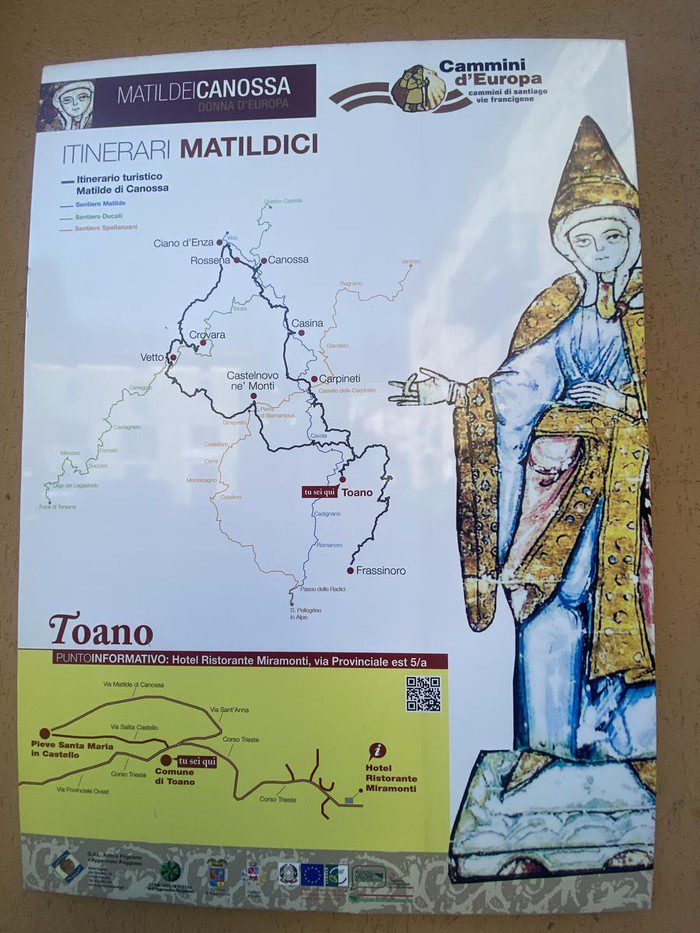
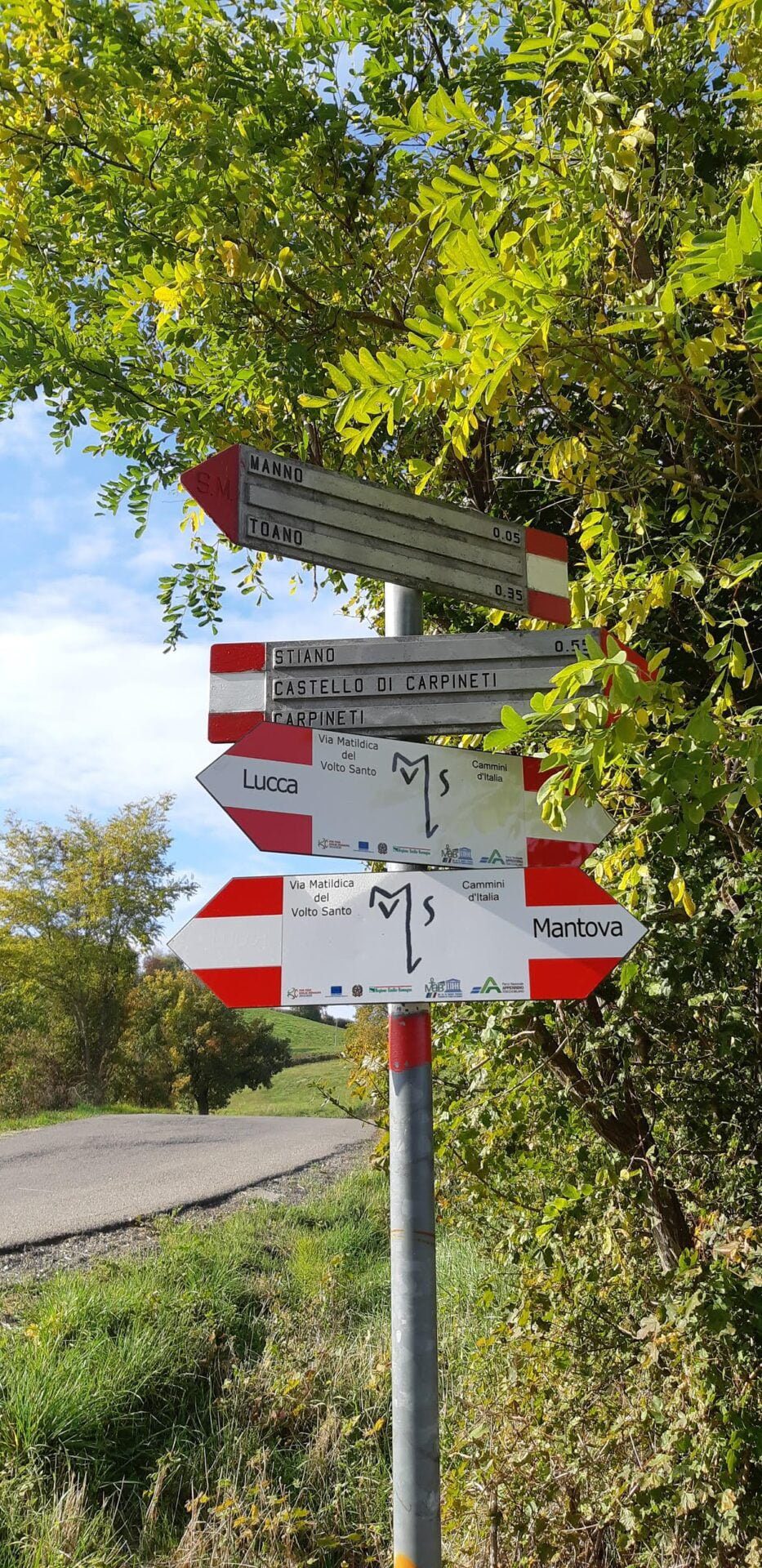
The Via Matildica del Volto Santo is a 284-kilometre hiking, historical and spiritual route. Officially divided into 11 stages, it connects Mantua with Lucca. The trail crosses three Italian regions, following territories and historic lands once ruled by Matilda of Canossa.
The complete route is divided into three main historical sections. The central section, known as the Cammino di San Pellegrino, climbs through the hills and mountain ridges of the Tuscan-Emilian Apennines National Park, passes through the village of Manno and reaches the Parish Church of Santa Maria Assunta.
Medieval Manno
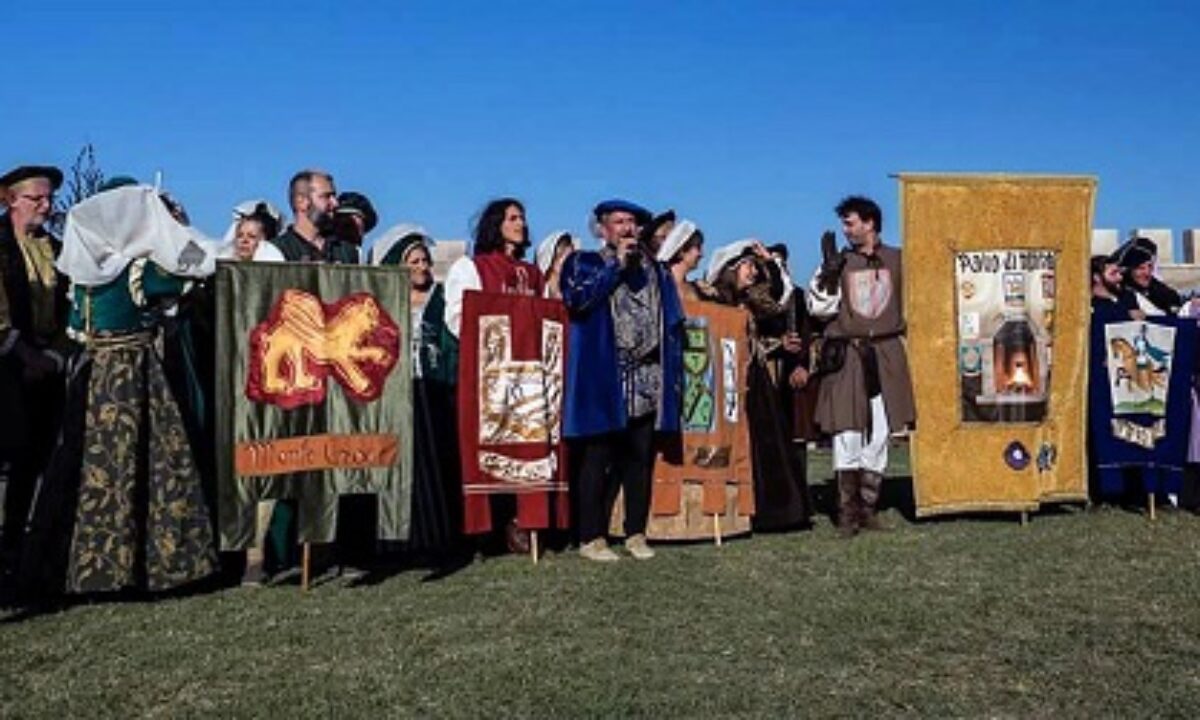
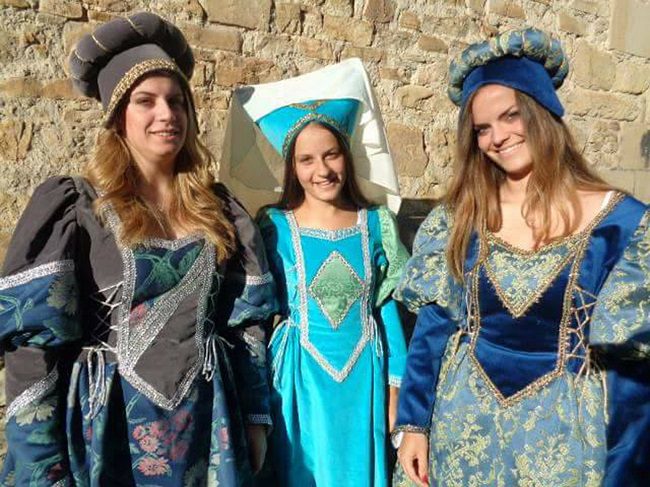
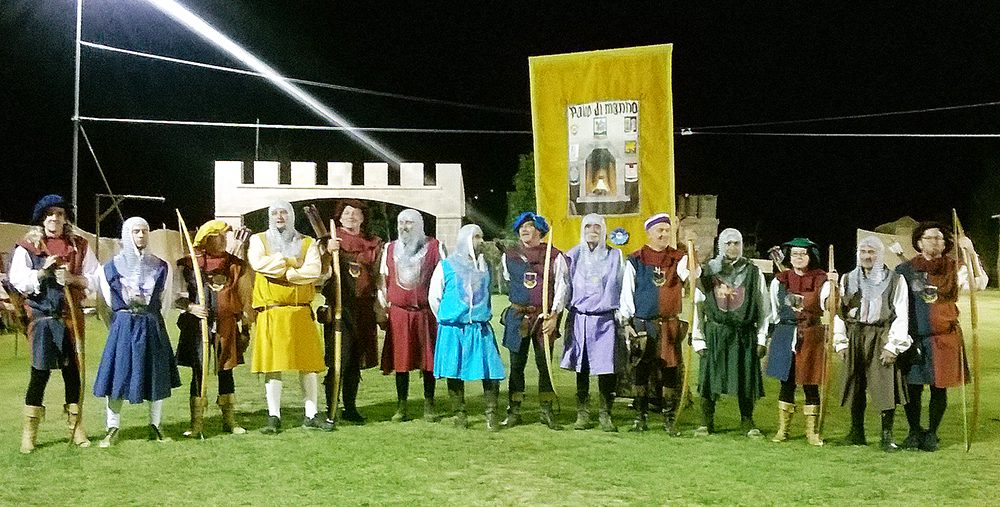
Every August, Manno brings its history back to life with Manno Medievale, a historical re-enactment featuring a costumed procession, a themed banquet and a medieval market that attracts visitors from across the surrounding area.

Places of interest nearby
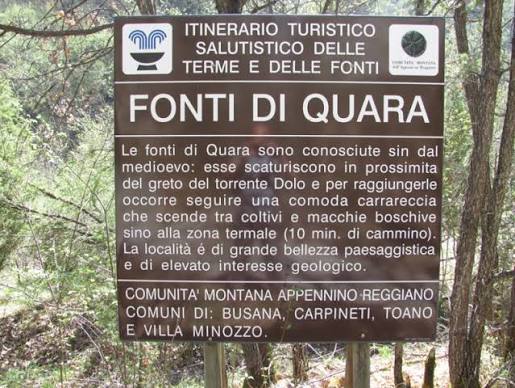
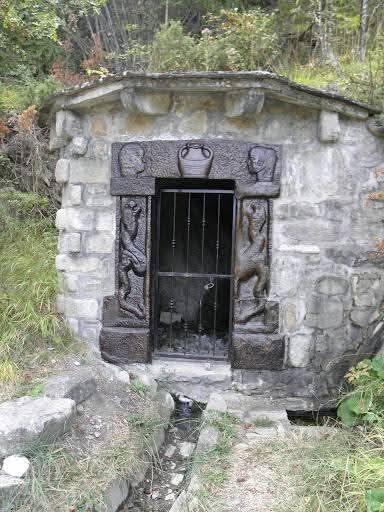
Just a 15-minute drive away are the Quara thermal springs, an ancient historical site known for its six sulphurous and salt-bromine-iodine springs. Although the site is currently abandoned and can only be viewed from the outside, its Roman origins still make it an interesting destination for walkers and history enthusiasts.
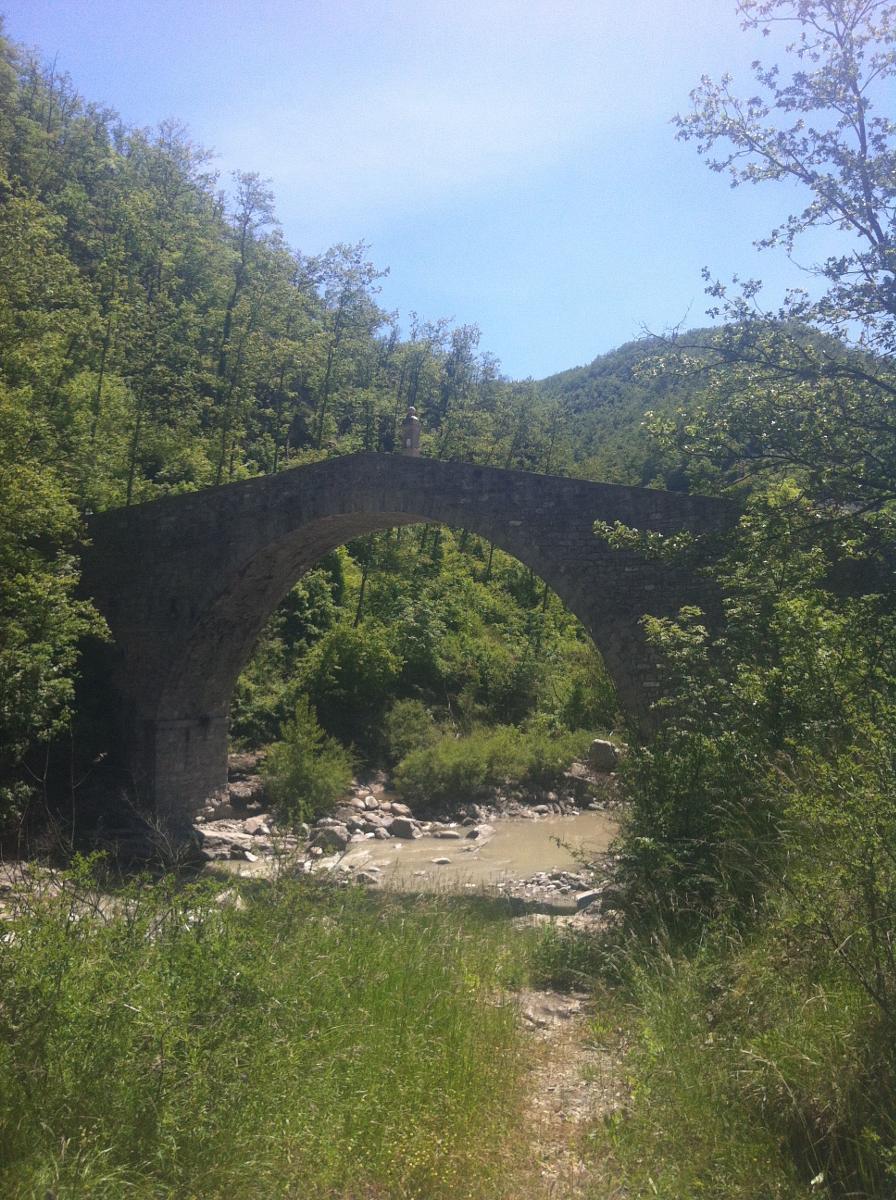
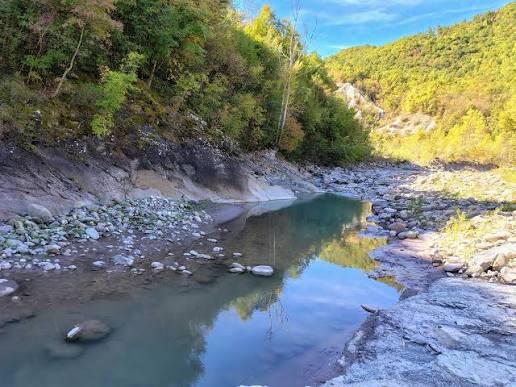
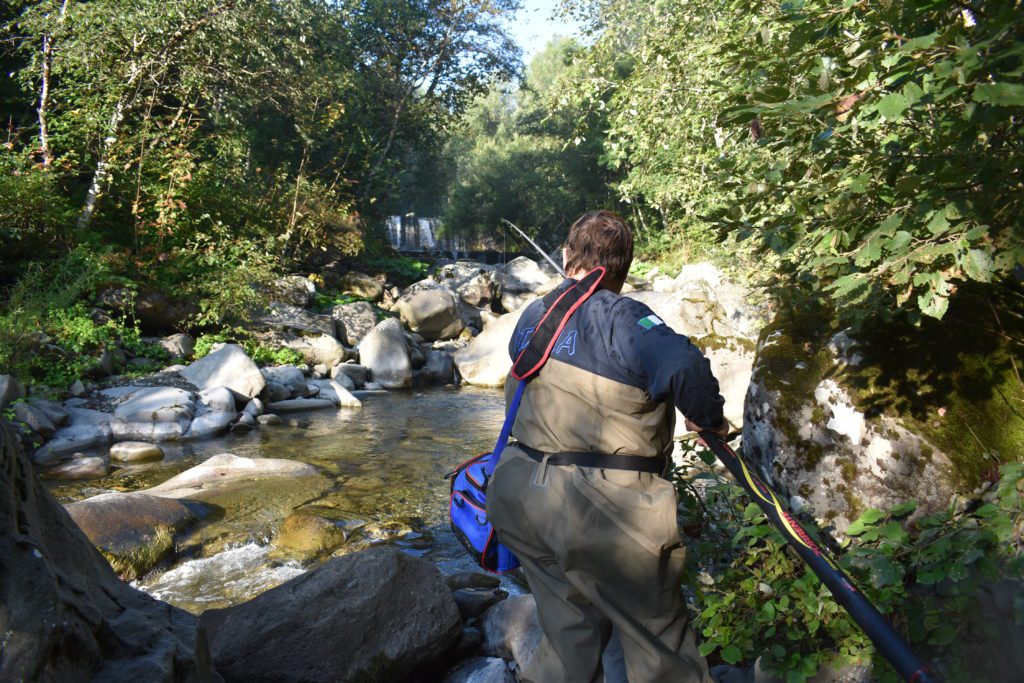
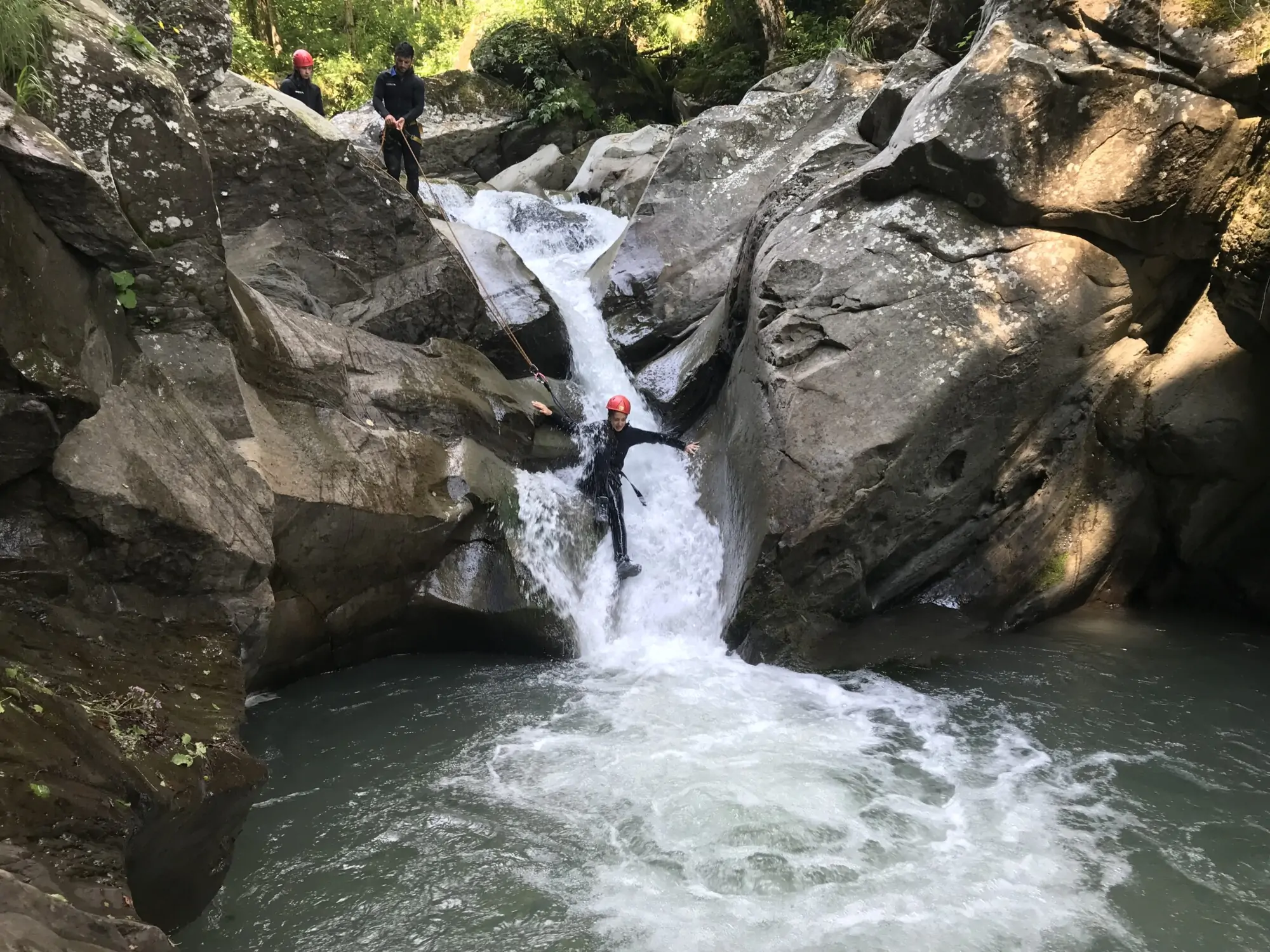
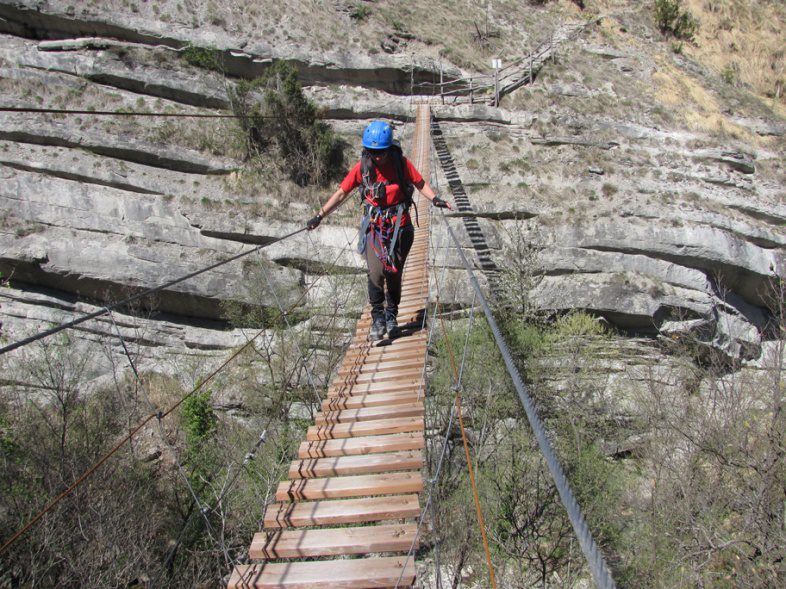
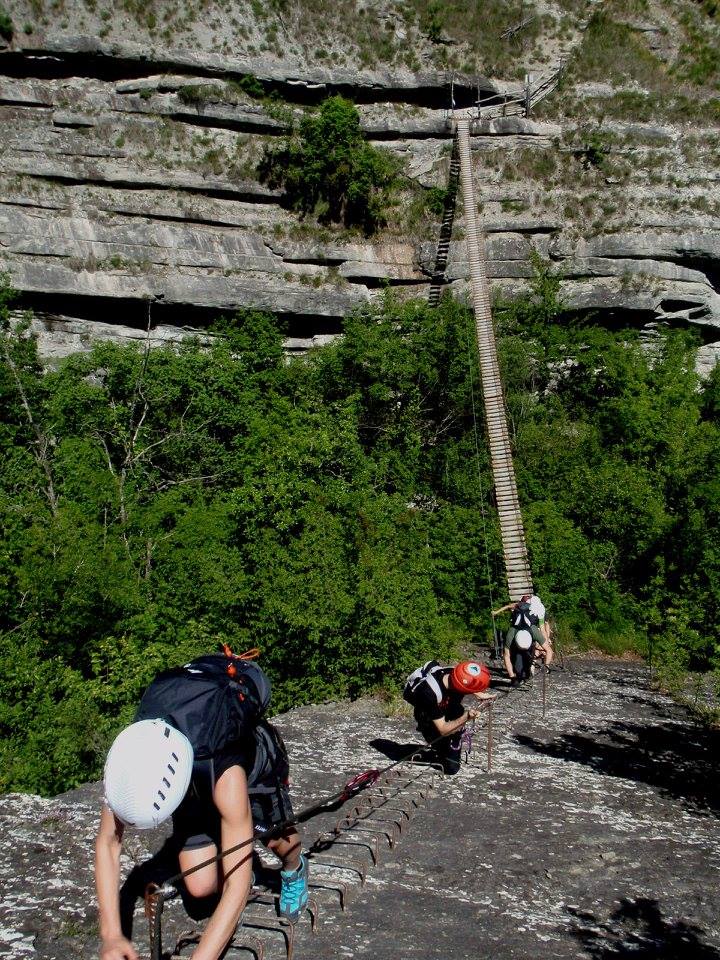
The Dolo Gorges, approximately 25 minutes away by car, offer opportunities for fishing and canyoning, as well as a moderately difficult via ferrata climbing route.